Main theatre programme
Lithuanian Myths and Legends
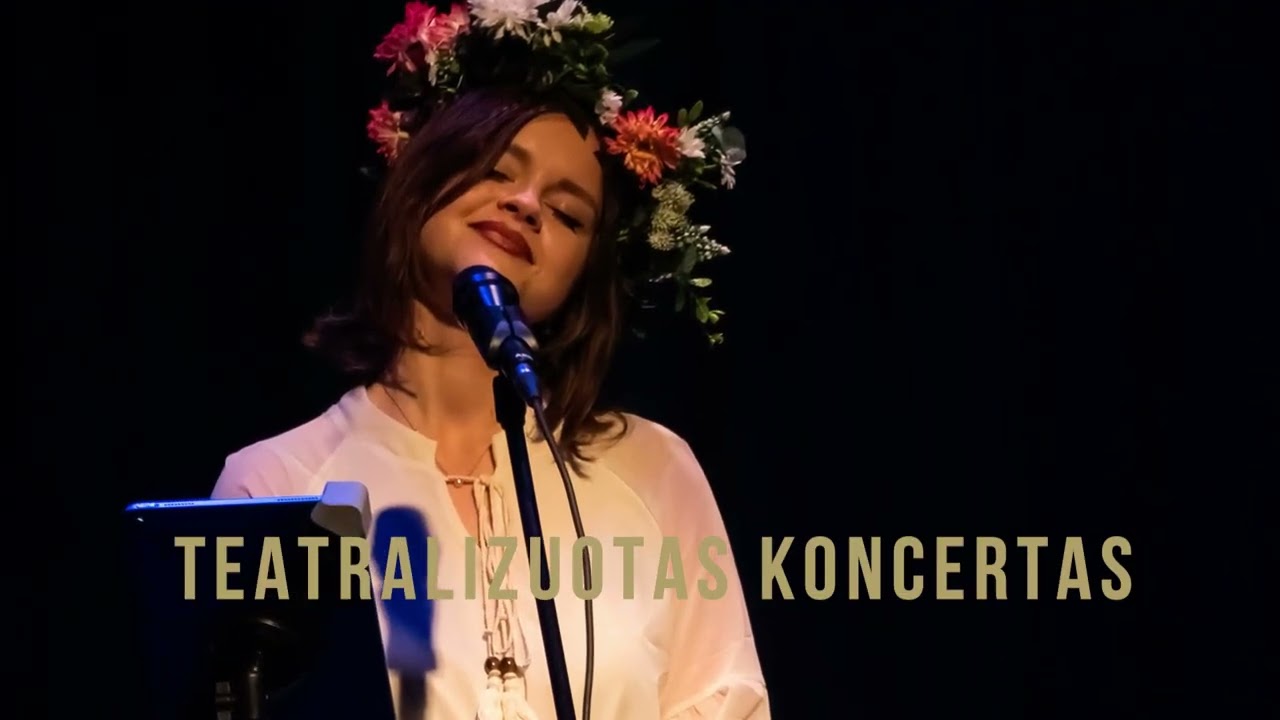
A theatrical concert where Lithuanian heritage comes alive through music, narration and stage atmosphere. It is built for events that need not only sound, but meaning.
About the programme
Programme character
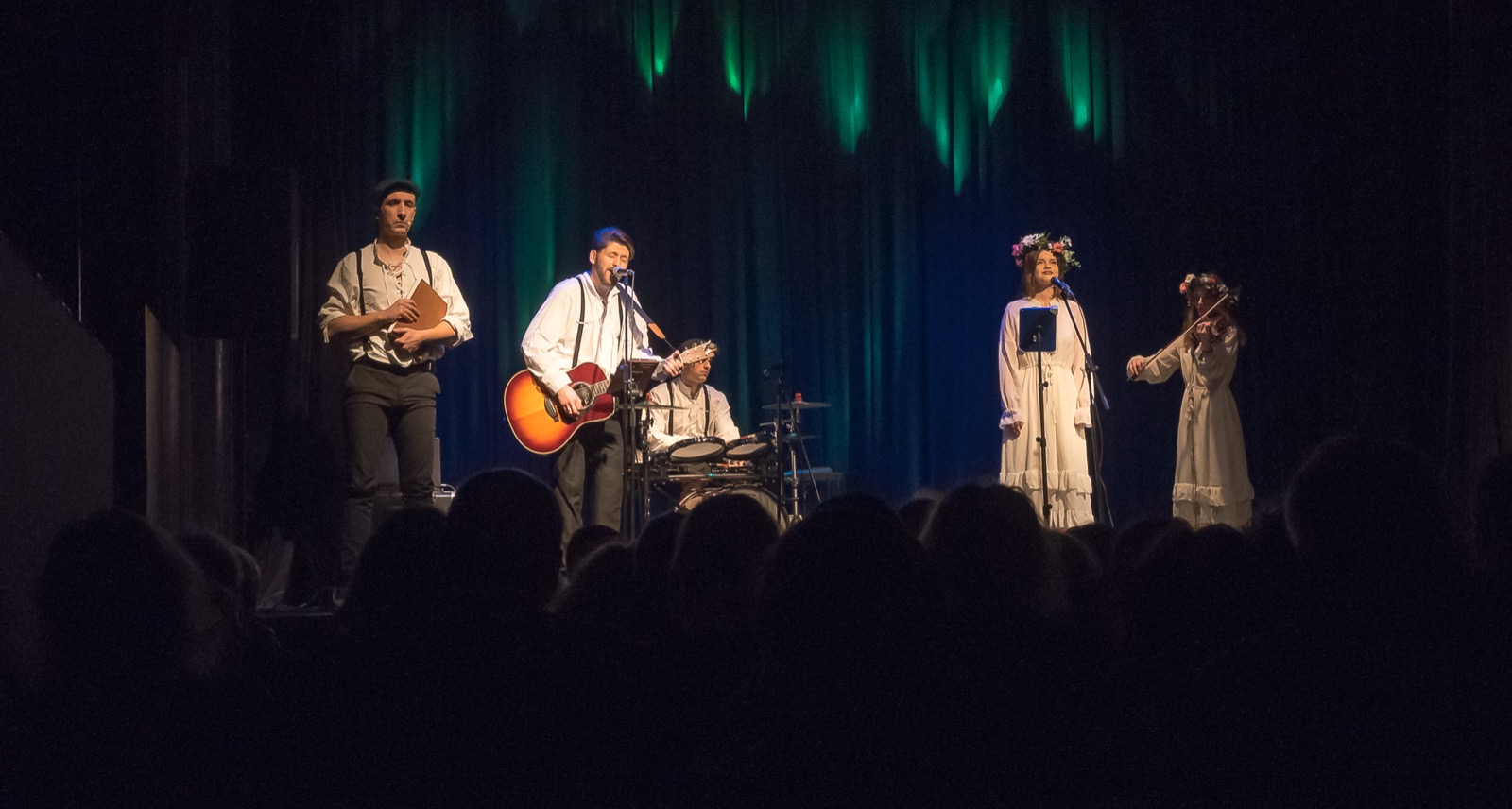
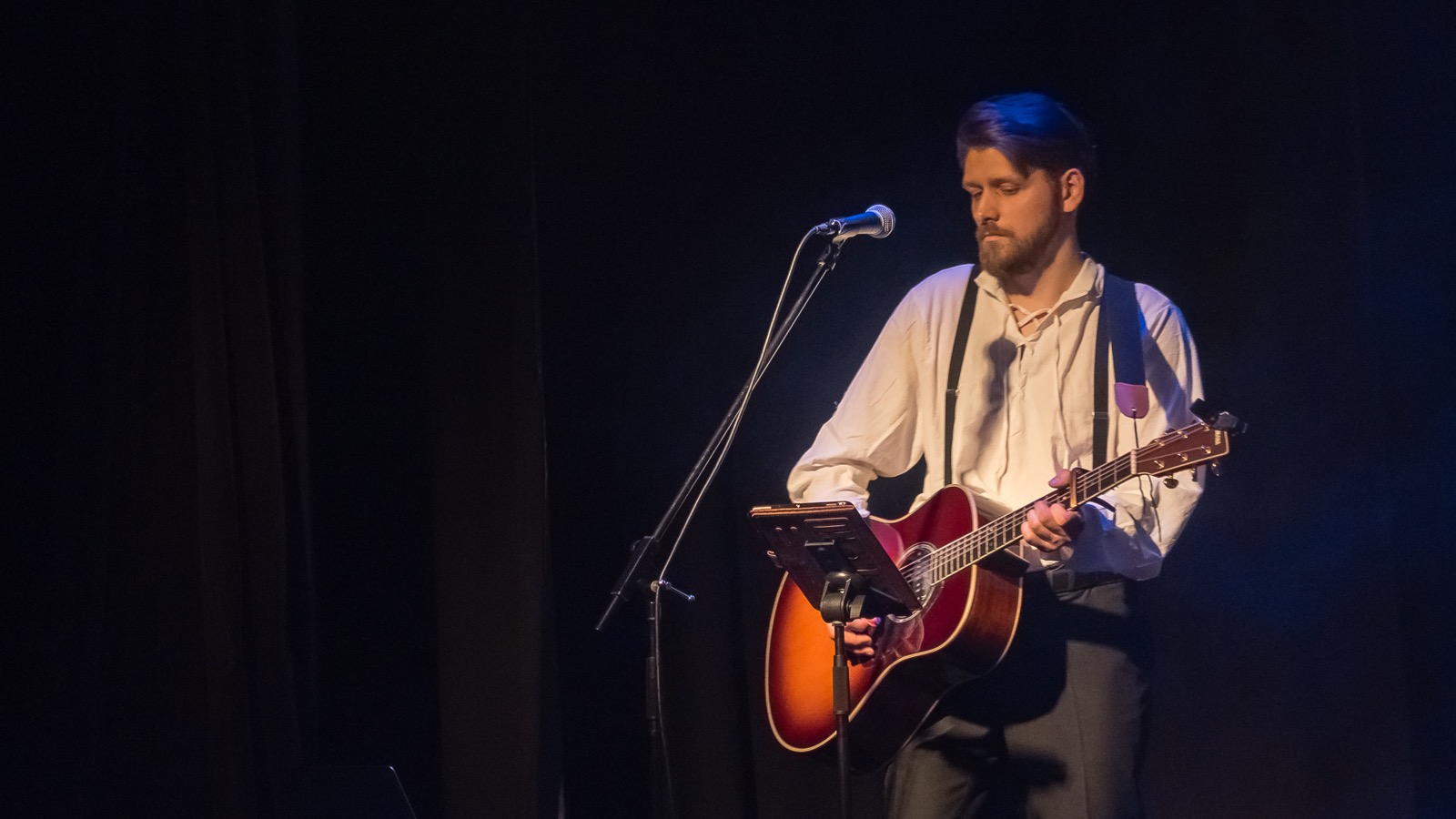
Lithuanian Myths and Legends is a theatrical concert in which ancient Lithuanian mythology comes to life through drama, live narration and original music. On stage, three very different Lithuanian legends intertwine – the Basilisk of Vilnius, the Giants of Kupiškis and Biržai Castle – as these well-known Lithuanian myths and legends find a new voice.
Stories
About Lithuanian myths and legends
Lithuanian mythology is among the most archaic in Europe: the Baltic worldview was home to Perkūnas the thunder god, Žemyna the earth goddess, Laima the goddess of fate and a host of other deities and mythical beings. Alongside them, local legends took shape over the centuries, explaining the origins of hillforts, lakes, stones and towns, while tales of giants, castles and magical creatures were handed down by word of mouth. These Lithuanian myths and legends remain an important part of the nation's folklore, binding historical memory to the imagination.
Basilisk of Vilnius
In the most popular version of the legend, a basilisk dwelt in a cave in old Vilnius – a monster with the head of a cockerel, the eyes of a frog and the tail of a serpent, able to kill with a single glance. A brave man defeated it not by force but by cunning: he carried a mirror into the cave, and the basilisk, catching sight of its own reflection, perished by its own deadly gaze. The tale is traditionally linked to the hill on Bokšto Street and the old Vilnius bastion.
Giants of Kupiškis
A legend from the Kupiškis region tells of two giants: one lived on the Paketuriai side, the other towards Aukštupėnai, with the River Lėvuo winding between them. Unlike other Lithuanian giants, these two were friendly – they would smoke long pipes and chat across the valley. Over the ages, the ash they knocked from their pipes heaped up into the hill known today as the Aukštupėnai hillfort near Kupiškis.
Biržai Castle
Biržai Castle was built at the end of the sixteenth century by the Grand Hetman of Lithuania, Kristupas Radvila Perkūnas, yet one south-eastern corner kept collapsing, as though cursed. The legend tells how a hermit who still worshipped the old thunder god Perkūnas advised the builders to wall in a willing newlywed couple returning from church at the full moon; from then on that corner, now a symbol of love and fidelity, stood firm. The castle is also tied to the legend of Lake Širvėna, about a young woman who chose death over marriage to a wealthy man she did not love.
Lithuanian Myths and Legends
Programme preview video
Why it matters
Why it works
- Live narration helps the audience follow not only songs, but a complete mythological journey.
- Original music and stage costumes create a coherent atmosphere without heavy technical pressure on the organiser.
- Lithuanian heritage is presented in a contemporary way, making the programme accessible to local and international audiences.
Technical specifications
Technical requirements and stage rider
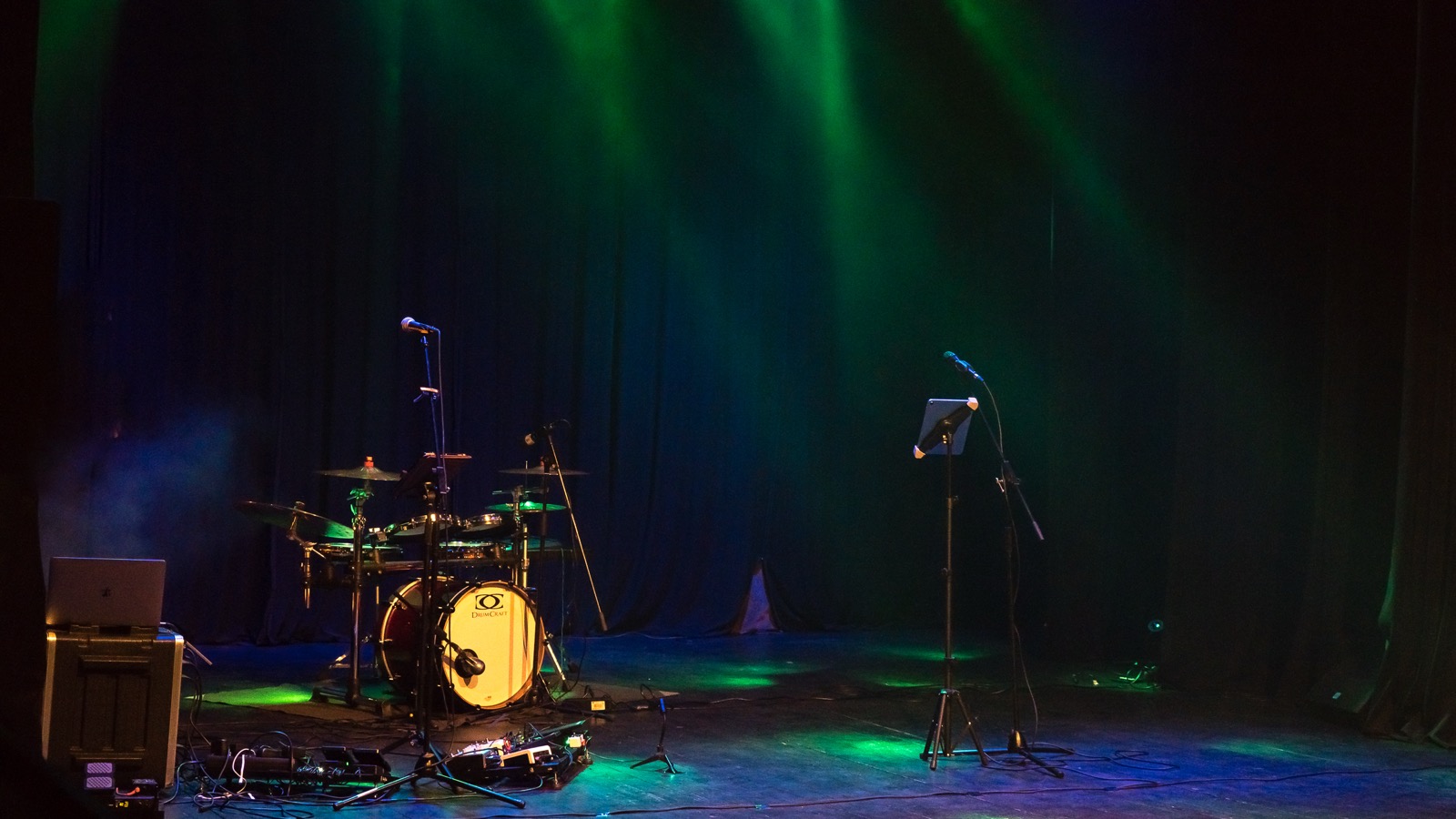
Technical needs adapt to culture centre halls, theatres and high-profile venues; the exact technical rider is sent with every offer:
Stage line-up
5 performers: vocal and guitar, a female vocalist, violin, percussion, narrator (actor).
Duration
About 60 min (continuous theatrical concert without interval).
Sound, lighting and projection
The technical rider for the five-performer line-up is sent with our offer; the programme adapts to a culture centre hall, a theatre or an outdoor stage.
Technical crew
Can be run by the venue's own sound and lighting technicians, or we bring our own engineers; the fee is stated in the offer.
Frequently asked questions
Which events does it fit best?
Culture centre seasons, national celebration programmes, city festivals, museum and embassy events, and high-profile evenings.
Can the programme adapt to a specific venue?
Yes. After receiving stage, sound and audience information, we suggest the most suitable format.
What should the enquiry include?
Send the date, city and event context, and we reply with a possible format and a preliminary quote.
How long is the programme and who is on stage?
About 60 minutes without an interval. Five performers: vocal and guitar, a female vocalist, violin, percussion and a narrator.
Which legends are told?
Three Lithuanian legends intertwine on stage – the Basilisk of Vilnius, the Giants of Kupiškis and Biržai Castle.
Booking
Event enquiry
Send the date, city, venue, audience profile and preferred programme. We reply with the right format, technical needs and a preliminary quote. We correspond in English; invoices are issued by a VAT-registered Lithuanian company and the technical rider is sent with every offer.